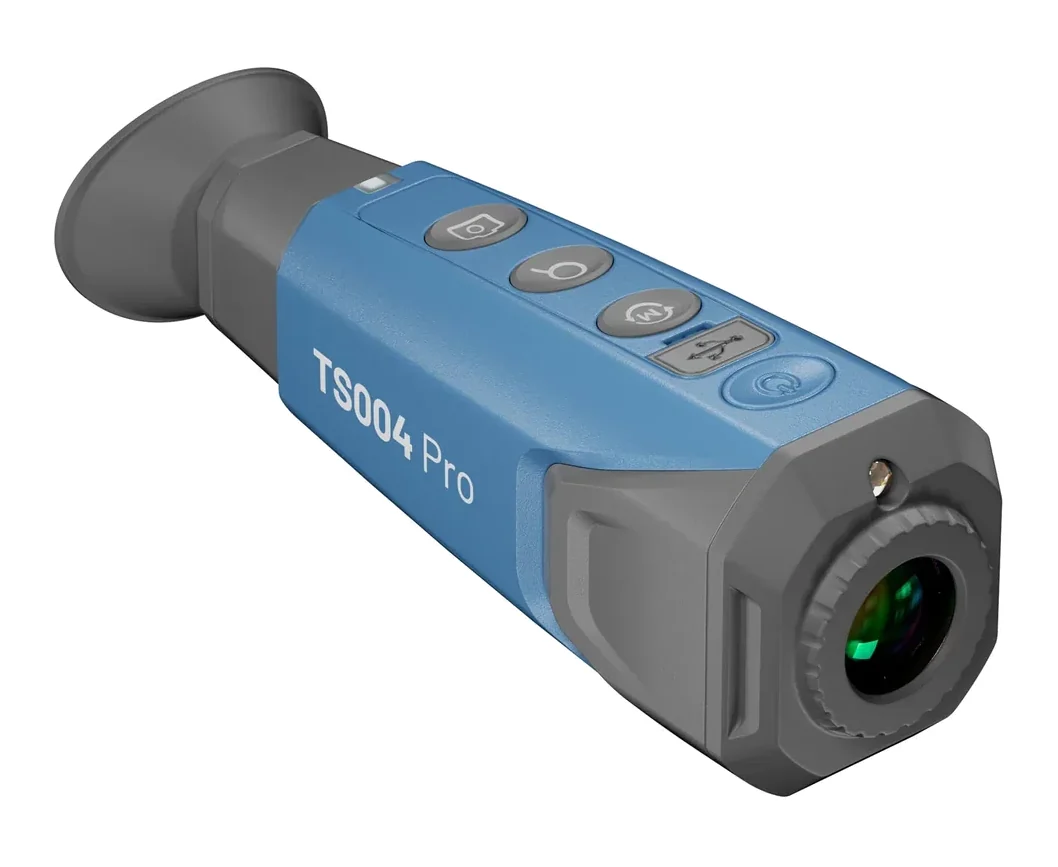
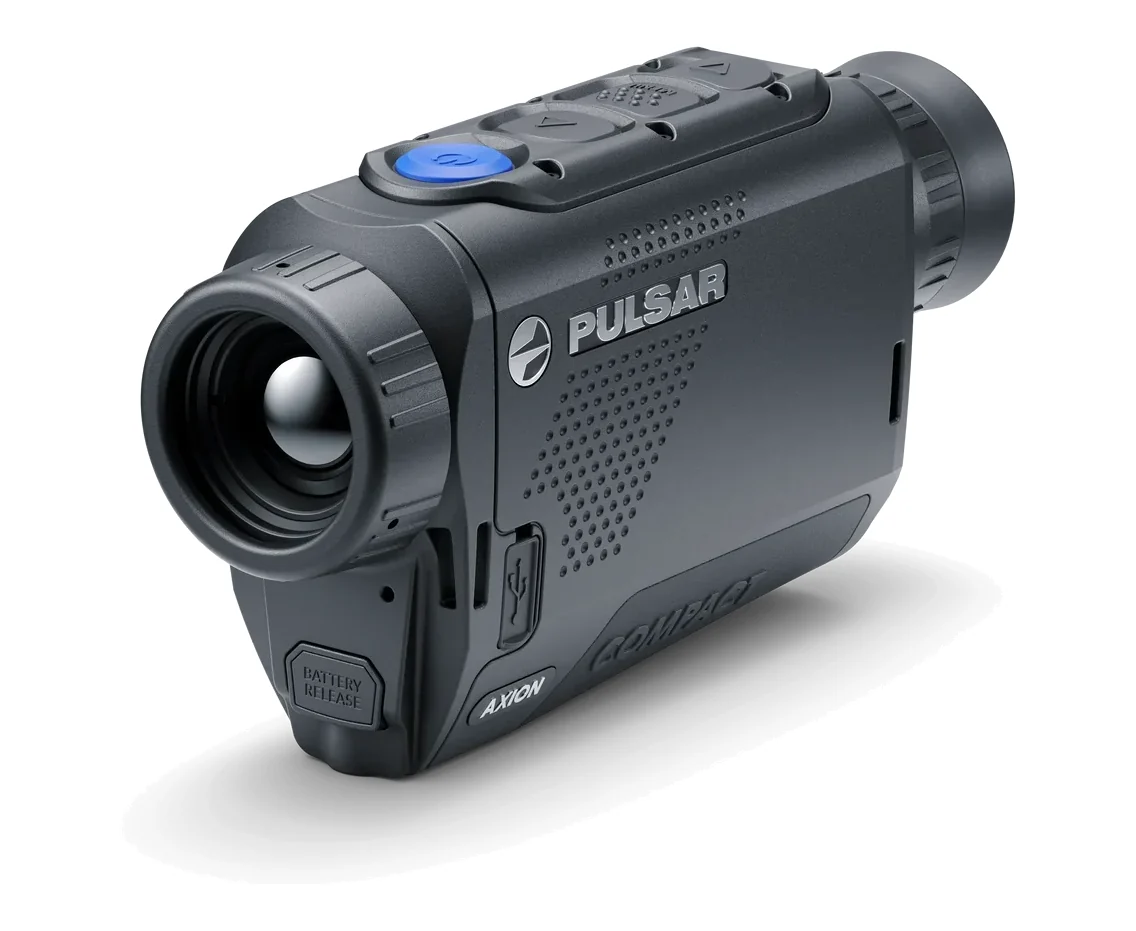
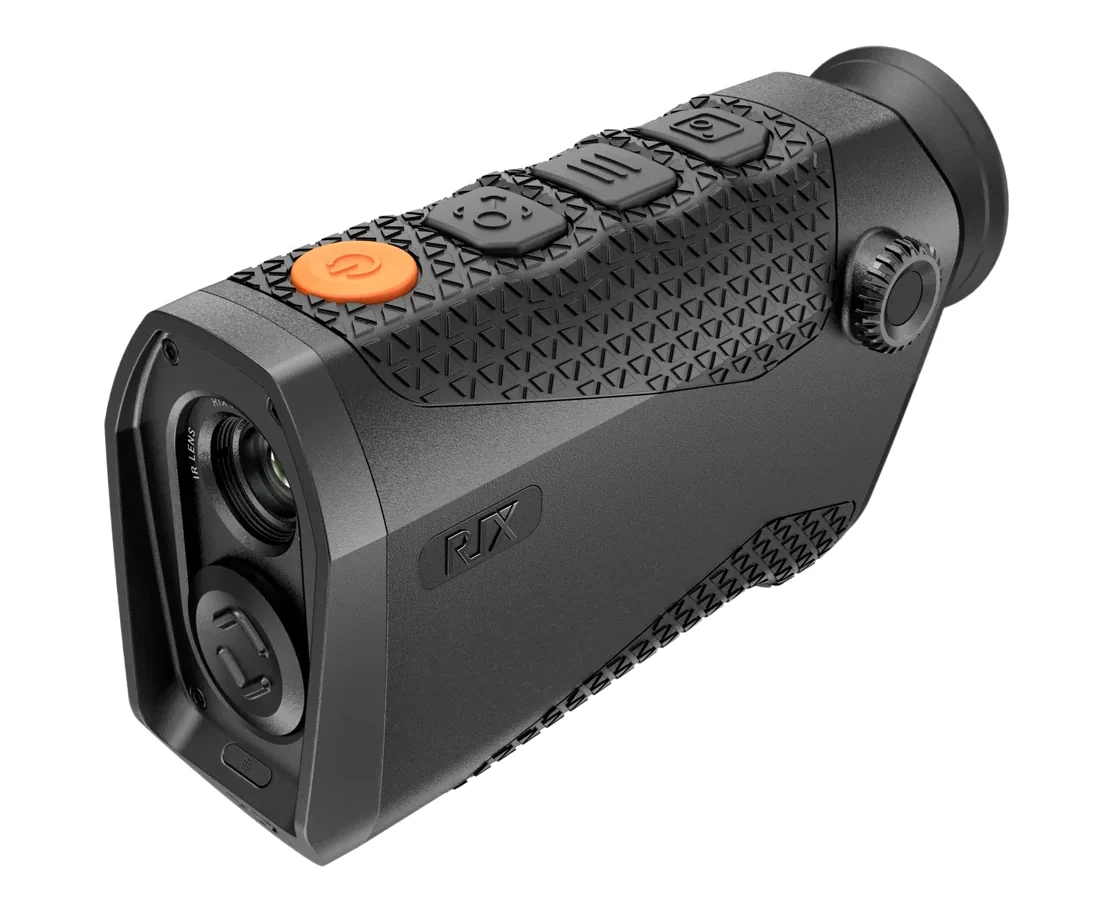
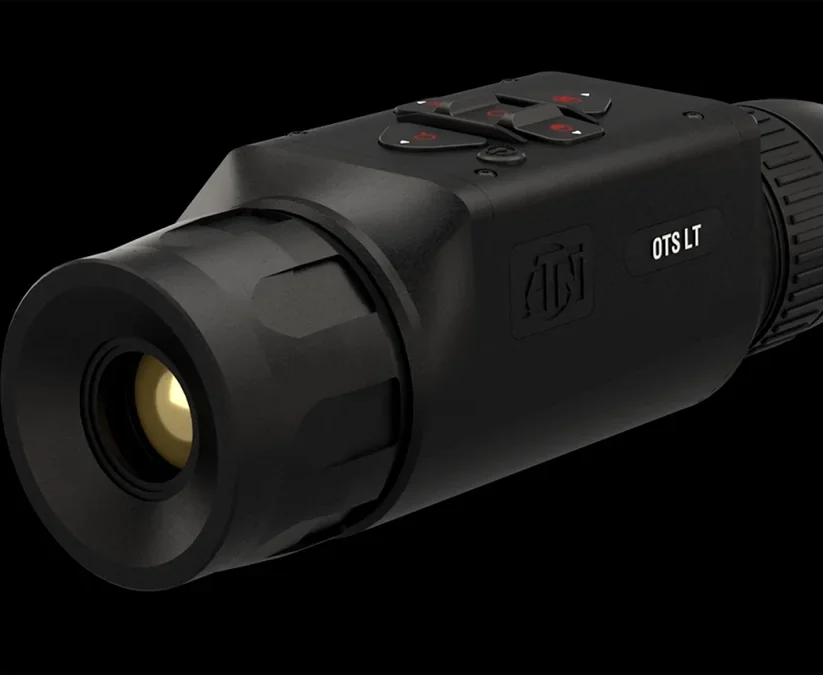
Our take on the ranking
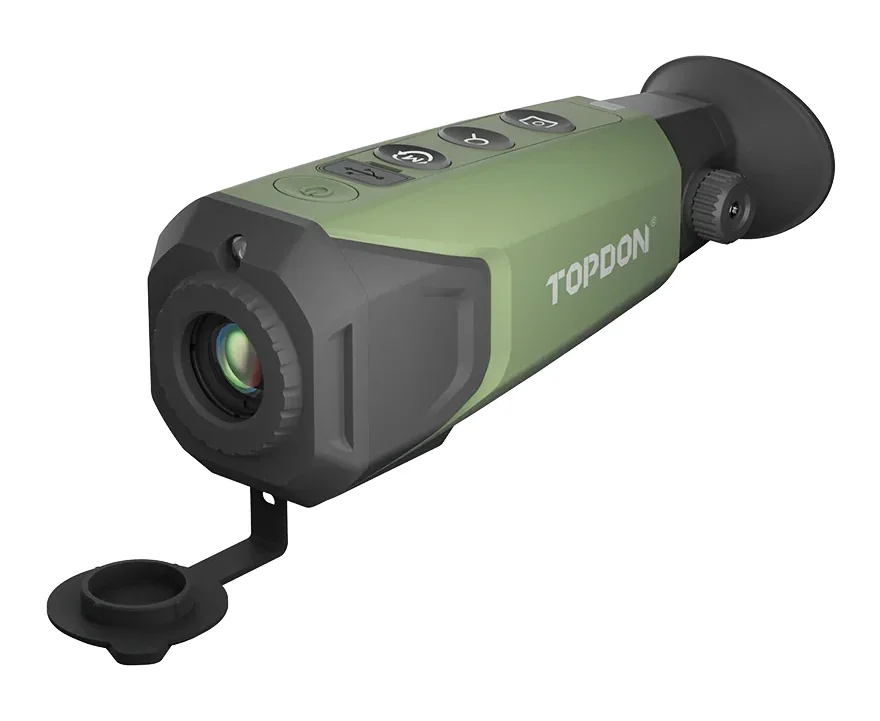
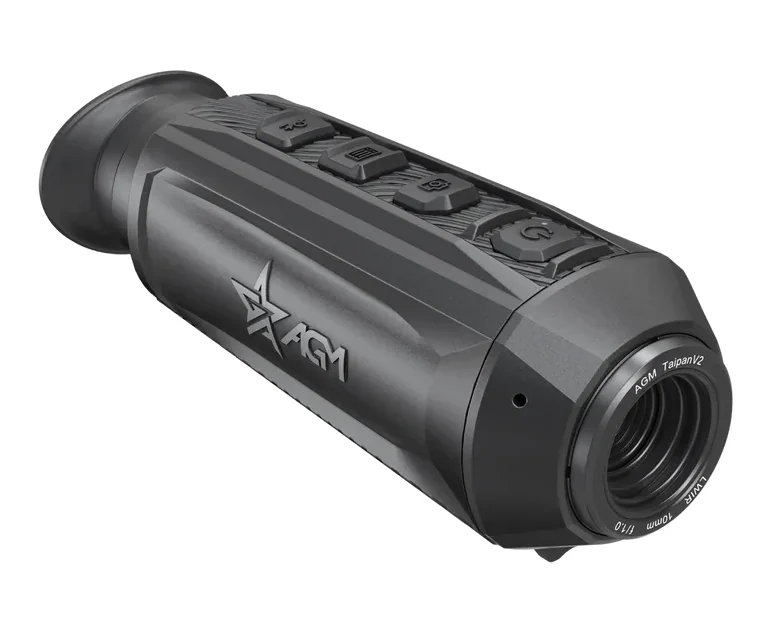
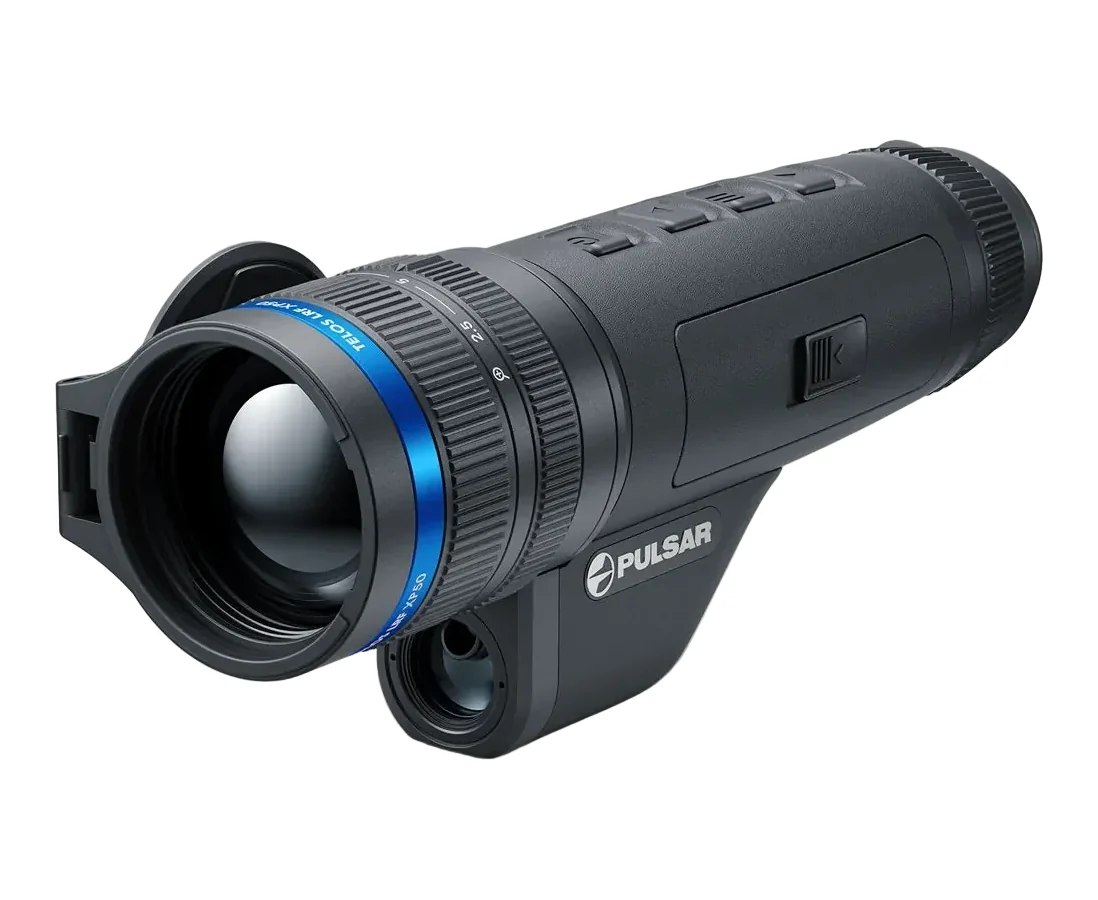
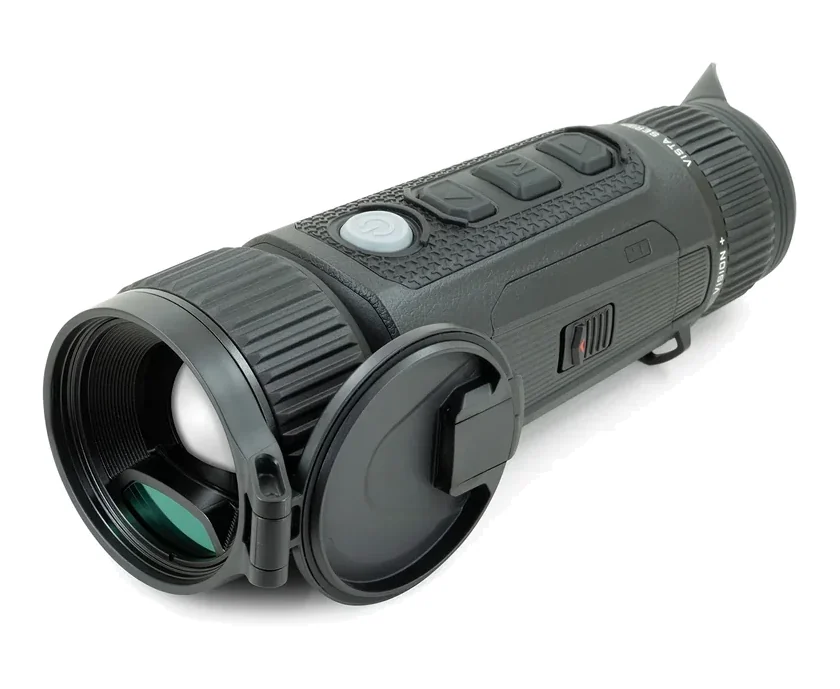
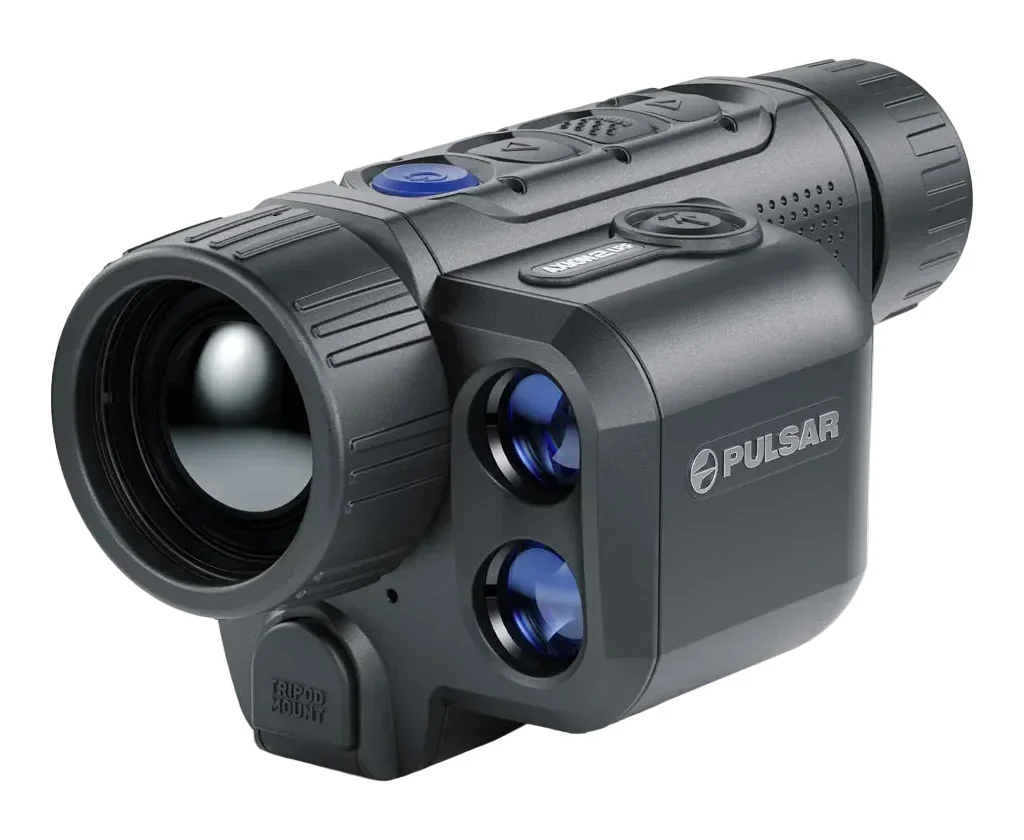
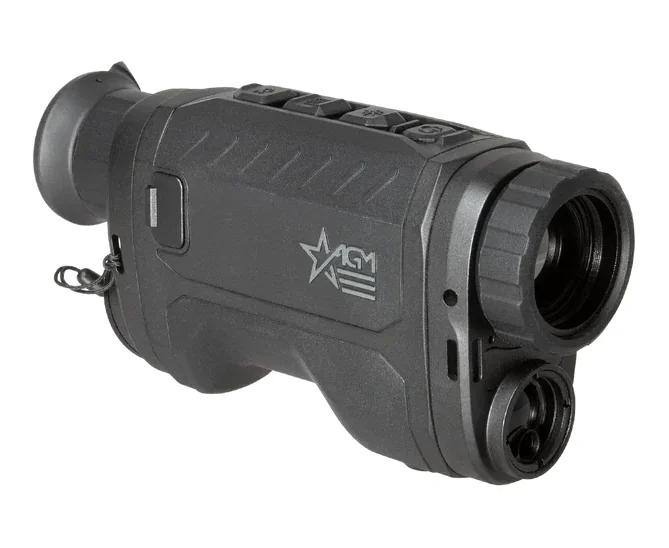
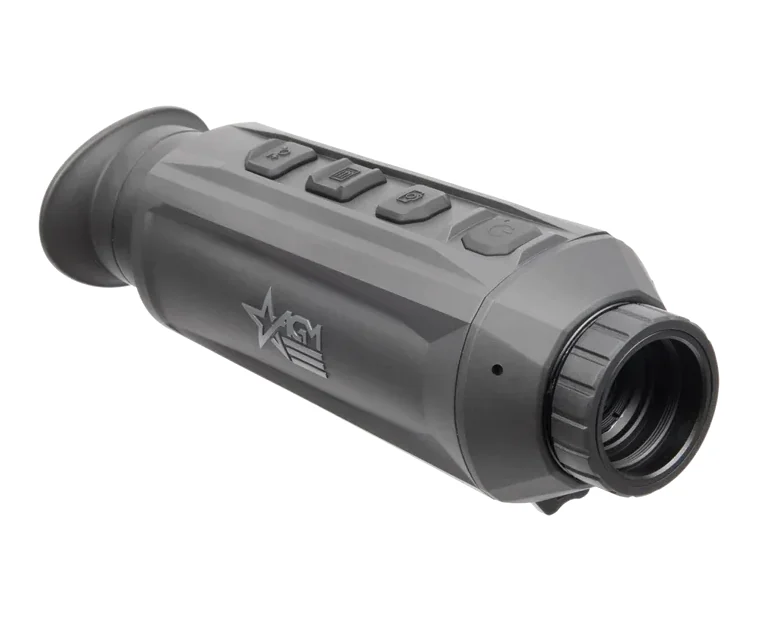
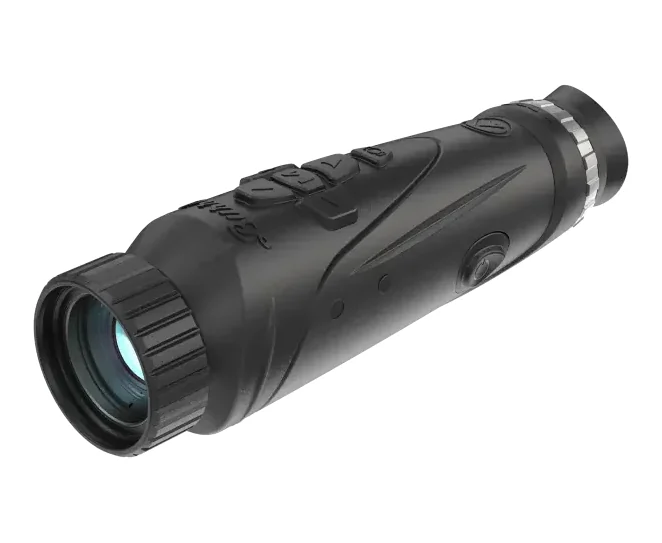
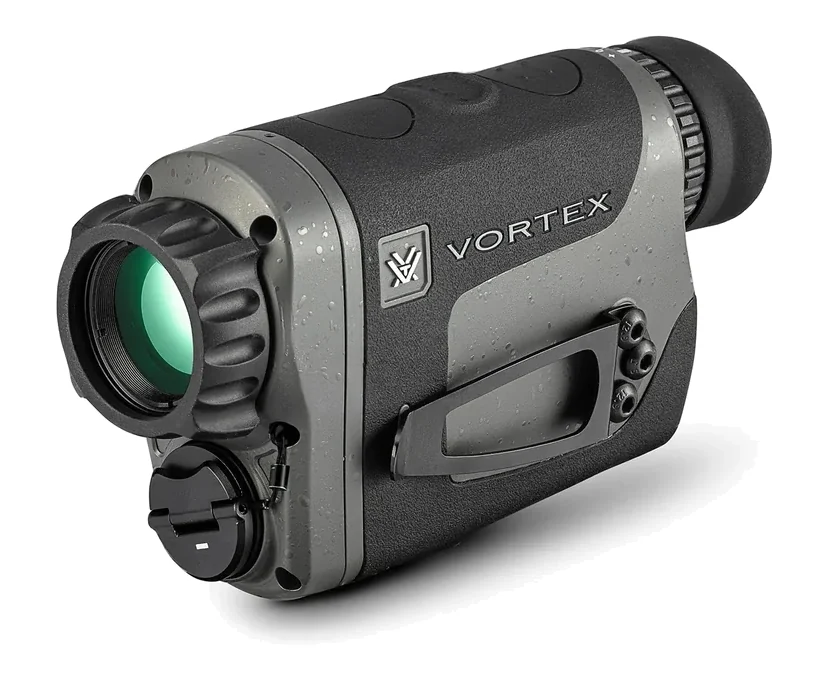
Short answer: for hunting, the Pulsar Telos LRF XP50 ($3,699.97) leads: a 640 sensor with the lowest NETD here, a 50 mm lens and a 1,000 m rangefinder. The Nocpix Vista H35R ($3,300) is a close second with a wider view. On a hunting budget, the AGM ReachIR LRF 25-384 ($1,895) keeps the rangefinder, and the AGM Taipan V2 19-384 ($1,195) does the scanning job well without one.
Hunting at night asks three things of a thermal: spot heat early, tell what it is before you move, and keep working until the end of a long, cold sit. So the models at the top here are the ones with long lenses, sharp sensors, low NETD and a built-in laser; the screen, the warranty and the price count for less.
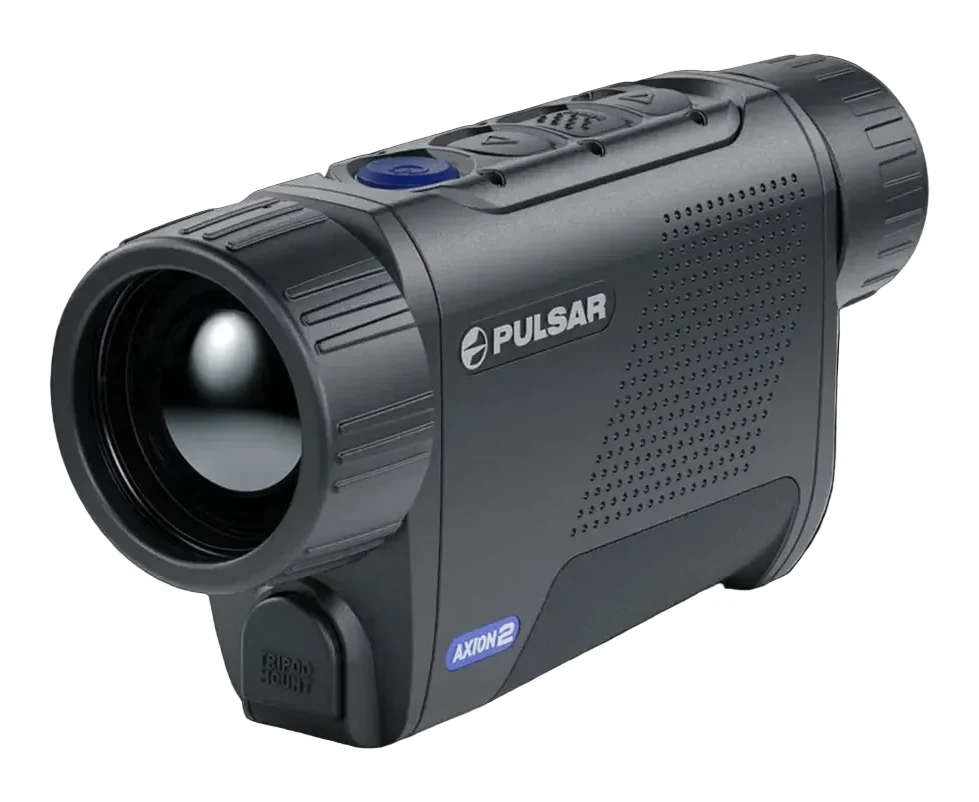
Hog and coyote hunters over open ground get the most from a long lens: the Telos, the Vista and the Axion 2 models all have a computed reach of 1,750 m or more. In timber and thick cover, a wider field matters more than reach, and a lighter, cheaper 384 model like the Taipan V2 19-384 or the RIX Pocket K3 is easier to live with.
A monocular is a spotter, not a sight. Everything here is a handheld observation device; none of them mounts as a riflescope. Check your state's rules on hunting with thermal at night before the season: they vary by species, land type and season.
Scope: every rated monocular, re-weighted for night hunting: reach, sensor resolution, sensitivity and a rangefinder count more, display and warranty less. Scores on this page use the hunting score weights (reach (lens / pixel pitch) 25%, sensor resolution 20%, thermal sensitivity (netd) 15%, battery life 10%, laser rangefinder 10%, price 10%, weight (with battery) 5%, water protection 5%); each review shows the overall score.